Introduction
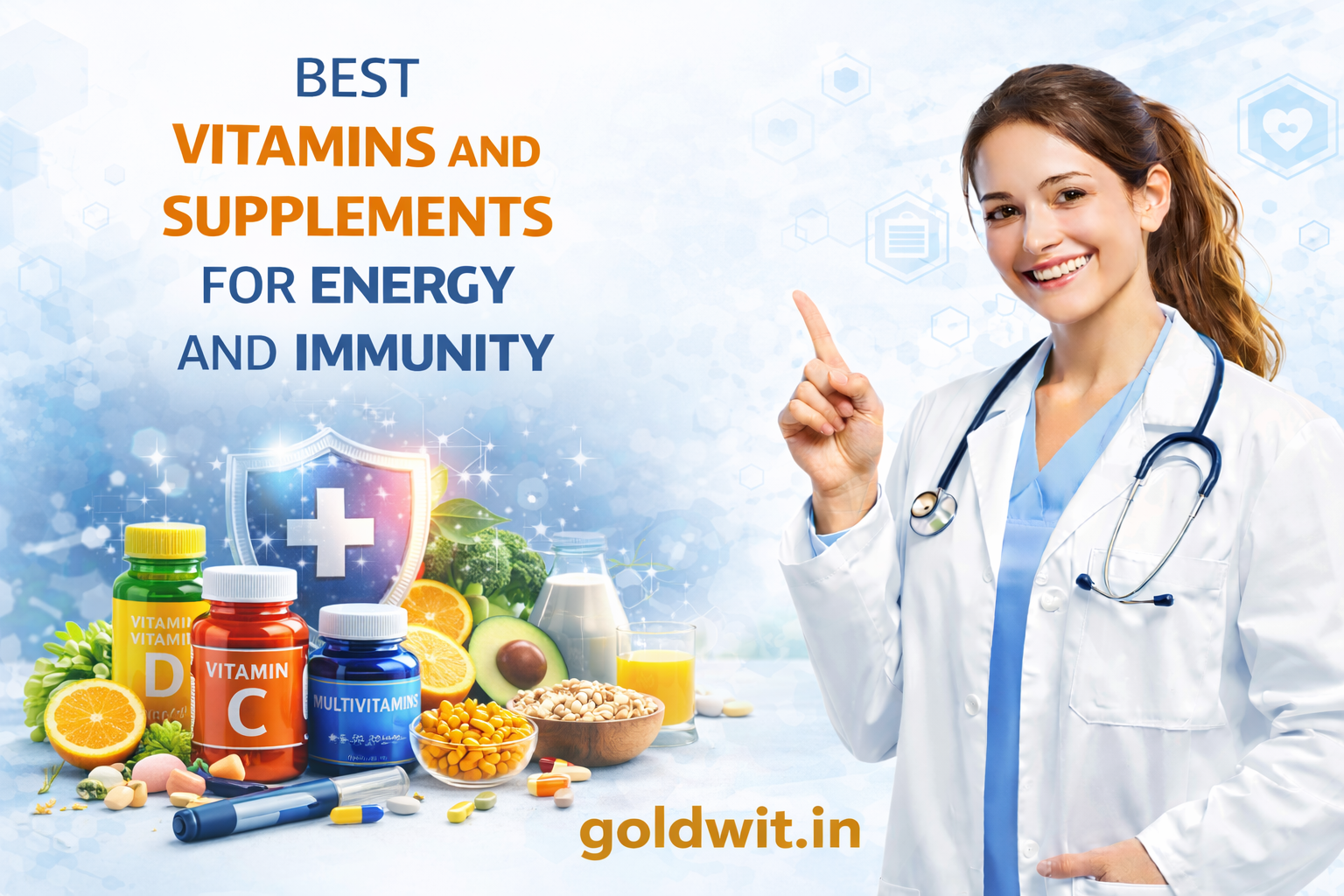
Maintaining strong energy levels and a healthy immune system is essential for overall well-being. In modern lifestyles, factors such as stress, poor diet, lack of sleep, and environmental pollution can weaken immunity and lead to fatigue or low energy. While a balanced diet should always be the primary source of nutrients, vitamins and supplements can help fill nutritional gaps and support the body’s natural functions.
Scientific research shows that certain vitamins and minerals play key roles in energy production, immune defense, and cellular health. Nutrients such as vitamin C, vitamin D, B vitamins, zinc, and iron support immune cells, regulate metabolism, and help the body fight infections.
In this article, we will explore the best vitamins and supplements for energy and immunity, their benefits, and how they help maintain a healthy and active lifestyle.
Why Vitamins Are Important for Energy and Immunity
The body requires essential micronutrients to perform important functions such as producing energy, repairing cells, and defending against infections.
Key roles of vitamins and minerals
| Function | Importance |
|---|---|
| Energy production | Converts food into usable energy |
| Immune defense | Supports white blood cells and antibodies |
| Cell protection | Protects cells from oxidative damage |
| Hormone balance | Regulates metabolism and body processes |
Deficiencies in essential vitamins and minerals can lead to fatigue, weak immunity, and increased risk of illness.
1. Vitamin C
Vitamin C is one of the most well-known nutrients for supporting the immune system. It functions as a powerful antioxidant that protects the body’s cells from damage caused by free radicals.
Vitamin C also helps stimulate the production and activity of white blood cells, which are responsible for fighting infections.
Benefits of vitamin C
- Strengthens immune defense
- Reduces inflammation
- Supports skin and tissue repair
- Helps the body absorb iron
Natural sources of vitamin C
| Food | Vitamin C Content |
|---|---|
| Oranges | High |
| Strawberries | High |
| Kiwi | Very high |
| Bell peppers | Extremely high |
Vitamin C supplements are commonly used to support immunity, especially during cold and flu seasons.
2. Vitamin D
Vitamin D plays a critical role in regulating immune responses and supporting bone health. It helps activate immune cells that protect the body from harmful bacteria and viruses.
Low vitamin D levels are associated with fatigue, weakened immunity, and increased risk of infections.
Benefits of vitamin D
- Strengthens immune response
- Improves mood and energy
- Supports bone and muscle health
- Reduces inflammation
Sources of vitamin D
| Source | Example |
|---|---|
| Sunlight | Natural skin production |
| Food | Fatty fish, egg yolks |
| Supplements | Vitamin D3 capsules |
Many people benefit from vitamin D supplements, especially those with limited sun exposure.
3. Vitamin B Complex
The vitamin B group includes several vitamins such as B1, B2, B3, B6, B9, and B12. These vitamins are essential for converting food into energy and supporting brain function.
Vitamin B6 also helps produce immune cells that defend the body against infections.
Benefits of B vitamins
- Boost energy metabolism
- Support brain and nerve function
- Improve mood and mental clarity
- Strengthen immune cell production
Foods rich in B vitamins
| Food | Key B Vitamin |
|---|---|
| Eggs | B12 |
| Whole grains | B1 and B3 |
| Meat | B6 |
| Leafy greens | Folate (B9) |
People experiencing fatigue often benefit from B-complex supplements.
4. Zinc
Zinc is an essential mineral that plays a key role in immune function, wound healing, and cell growth. It helps the immune system produce and activate immune cells that fight infections.
Zinc deficiency can weaken immune defenses and increase susceptibility to illness.
Benefits of zinc
- Supports immune cell function
- Speeds wound healing
- Reduces inflammation
- Helps maintain healthy skin
Natural sources of zinc
| Food | Zinc Content |
|---|---|
| Meat | High |
| Shellfish | Very high |
| Nuts | Moderate |
| Whole grains | Moderate |
Zinc supplements are commonly used to support immunity during illness.
5. Iron
Iron is a crucial mineral for energy production because it helps transport oxygen throughout the body. Low iron levels can lead to fatigue, weakness, and reduced immunity.
Iron supports the production of hemoglobin, which carries oxygen in the blood and helps maintain energy levels.
Benefits of iron
- Prevents fatigue
- Improves oxygen circulation
- Supports immune health
- Boosts physical performance
Iron-rich foods
| Food | Iron Level |
|---|---|
| Spinach | High |
| Red meat | Very high |
| Lentils | High |
| Beans | Moderate |
Iron supplements may be recommended for people with anemia or low iron levels.
6. Magnesium
Magnesium is an important mineral that supports hundreds of biochemical reactions in the body, including energy production and muscle function.
It also helps regulate stress hormones and improves sleep quality.
Benefits of magnesium
- Improves energy metabolism
- Reduces fatigue
- Supports muscle and nerve function
- Helps regulate stress levels
Magnesium food sources
| Food | Magnesium Content |
|---|---|
| Almonds | High |
| Spinach | High |
| Pumpkin seeds | Very high |
| Whole grains | Moderate |
Magnesium supplements are often used to support relaxation and reduce stress-related fatigue.
7. Adaptogenic Supplements
Some natural herbal supplements known as adaptogens can help improve energy levels and support the immune system.
Common adaptogenic supplements
| Supplement | Benefit |
|---|---|
| Ashwagandha | Reduces stress and fatigue |
| Ginseng | Improves energy and stamina |
| CoQ10 | Supports cellular energy |
| Elderberry | Supports immune defense |
Adaptogens help the body adapt to stress and maintain balanced energy levels.
Tips for Taking Vitamins and Supplements
While vitamins can support health, they should be taken responsibly.
Important guidelines
- Follow recommended daily doses
- Avoid excessive supplementation
- Choose high-quality products
- Consult a healthcare professional if needed
Experts also warn that excessive vitamin intake can cause health problems, so supplements should not replace a balanced diet.
Conclusion
Vitamins and supplements can play an important role in maintaining energy levels and strengthening the immune system. Nutrients such as vitamin C, vitamin D, B-complex vitamins, zinc, iron, and magnesium support vital bodily functions including metabolism, immune defense, and cell protection.
However, the best way to obtain these nutrients is through a balanced diet rich in fruits, vegetables, whole grains, and lean proteins. Supplements should be used as supportive tools when dietary intake is insufficient.
By maintaining proper nutrition, healthy lifestyle habits, and appropriate supplementation when necessary, you can improve your energy levels, strengthen your immune system, and support long-term he